

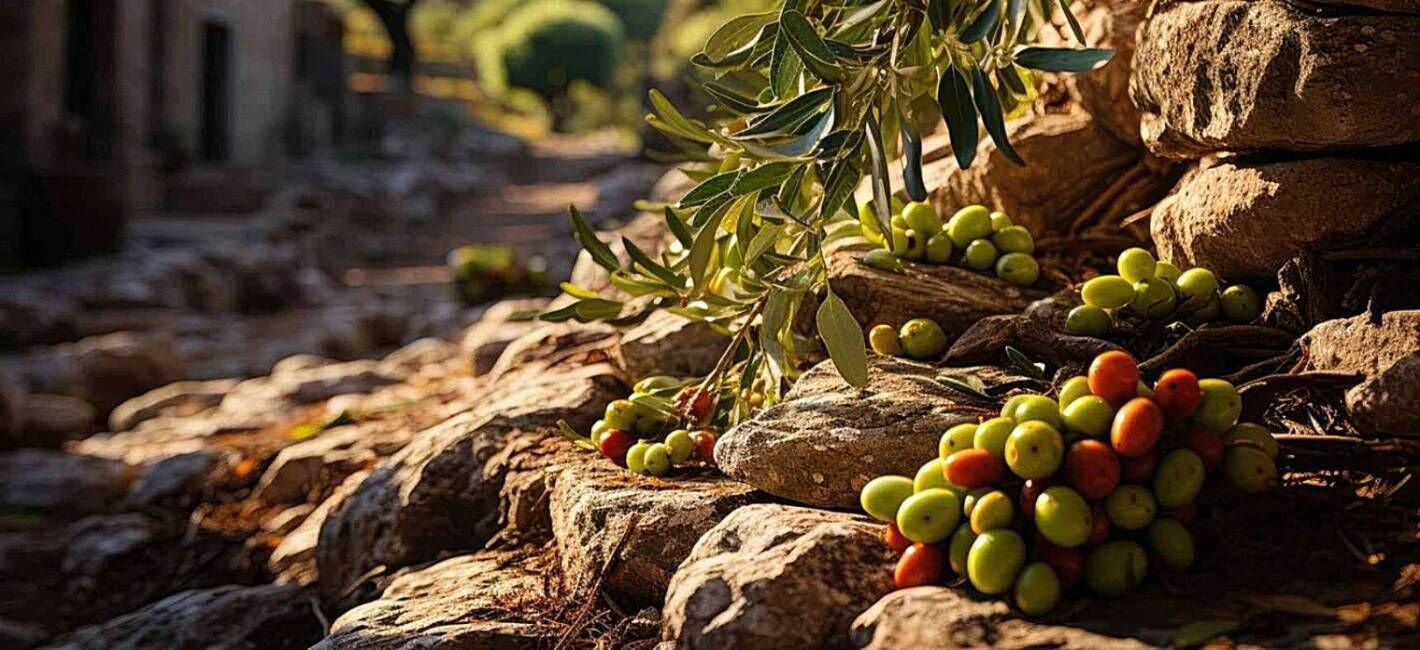
Discovering Cretan Olives: Quality, History, and Health Benefits
Olives in Crete: Quality & Tradition
Cretan olives are famous for their great taste and quality. Crete is the largest island in Greece and has been growing olives for a very long time. The well-known Kalamata and Tsounati olives are some of the best.
Cretan olives are not only tasty but also healthy. They are full of good fats and antioxidants that help keep your body and heart healthy.
Type of Tree
Different olive trees produce different flavors of olives. In Crete, there are several common types of olive trees, including:
- Kalamata: These are dark purple to black olives known for their almond shape and rich flavor. They are often used in salads and tapenade.
- Tsounati: This variety is usually large and has a unique taste, often described as fruity and aromatic. They are used for both eating and oil production.
- Koroneiki: A small, green olive that is very popular for making high-quality olive oil. They are known for their rich and fruity taste.
Each type of tree brings its own special flavor to the olives, which is important for both eating and cooking.
Soil
Good soil is crucial for healthy olives to grow. Here are some characteristics of good soil for olives:
- Well-Drained: Olives do not like standing water. Soil that drains well helps prevent water from accumulating around the roots, which can cause the tree to rot.
- Rich in Nutrients: Fertile soil should have essential nutrients like nitrogen, phosphorus, and potassium. These nutrients help the tree grow strong and produce tasty olives.
- pH Level: The best soil for olive trees has a pH level between 6 to 8. This means the soil is slightly acidic to neutral, which is ideal for growing olives.
- Rocky or Sandy: Olive trees often thrive in rocky or sandy soil, as they can grow well in less fertile conditions where other plants might struggle.
Weather
The climate plays a big role in olive quality. Olive trees need:
- Warm Temperatures: They grow best in warm, dry conditions with plenty of sunlight. Crete’s sunny weather is ideal for olive cultivation.
- Mild Winters: Olive trees can tolerate some cold but do not do well with frost. A mild winter helps their growth and fruit development.
Harvesting and Processing
How olives are picked and processed also affects their quality:
- Hand-Picking: Many farmers in Crete carefully hand-pick olives to prevent damage. This method protects the fruit and ensures only the best olives are selected.
- Early Picking: Olives picked early often taste less bitter and can be more flavorful. This is important for producing high-quality olive oil.
- Careful Processing: After picking, olives must be processed quickly to keep them fresh. Proper methods, such as cold pressing, help preserve the flavor and nutrients.
Ancient Olive Trees
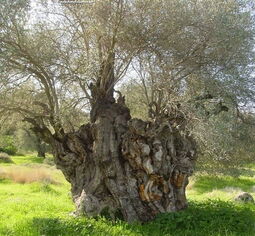
Some olive trees in Crete are more than 1,000 years old! These trees are called the “mother of the olive.” They are strong and are part of the island’s history. They represent peace, tradition, and the close relationship between Cretan people and nature.
Olive Harvesting
In Crete, many farmers use sustainable and organic farming methods. This means they take care of the environment while growing olives.
Cretan olives are usually less bitter because they are picked early and handled carefully. Their taste can be mild or spicy, depending on where they grow and the type of olive. The Messara Plain in southern Crete is a large area where many olives are grown.
The olive harvest happens between October and February. Many families in the countryside have olive trees. Harvest time is very important for them.
The harvest time affects olive oil quality:
- Early Harvest: Stronger taste and more antioxidants.
- Late Harvest: Milder taste and less bitterness.
Many farmers pick olives by hand to protect the trees. Some use machines, which are faster but can hurt the olives if not careful. Each tree can produce 20 to 100 kilograms of olives every other year. This is very important for the local economy and for making olive oil.
You can also help with the olive harvest, ask about it!

Making Olive Oil
After picking, olives need to be taken to the mill quickly to stay fresh. At the mill, they are cleaned and crushed into a thick paste. The oil is separated from the solids by pressing or spinning.
The best way to make olive oil is cold pressing. This keeps the flavor and nutrients. Fresh oil is stored in dark containers to protect it from light and air. It is usually bottled in dark glass to keep it good.
Olives in Cretan Life
Olives and olive oil are very important in Cretan culture and food. They bring people together during harvest time and are used in many meals. Thanks to the healthy Cretan diet, heart disease is much less common compared to many other places.
Cretan olives and olive oil are not just food; they are a big part of life on the island. Enjoying them is part of the Cretan experience!